ONLINE EXPLOITATION
Digital grooming is the new playground predator.
If your child is online, they’re being watched.
Predators don’t need a white van — they need Wi-Fi.
They’re targeting kids through gaming, chat apps, and virtual worlds.
Online Grooming: What Is It?
Not everyone online is who they say they are. Grooming happens when someone builds trust with you—only to manipulate or exploit you later. It starts off casual. Maybe compliments. Maybe a DM. Maybe a joke in a group chat. But it always crosses a line.
60% of kids have unknowingly engaged with a predator via chat online.
How Online Grooming Really Works
Parents: What Should You Do?
Platforms Matter. Let’s Talk About Them.
Your child’s favorite app is more than just a place to scroll — it’s a portal. Whether they’re gaming, messaging, livestreaming, or posting, every platform shapes how they think, interact, and view themselves.
We’re not here to panic you. We’re here to equip you. Because understanding the online spaces your child uses is one of the most powerful ways to keep them safe — and connected to you.
You don’t have to know every trending app. But you do need to know which ones your child uses. Ask them to show you how it works. What do they love about it? What’s weird or uncomfortable? Treat your child like your best guide — because they are.
Most major apps — even the risky ones — offer safety settings, reporting tools, and parent guides. You just have to know where to look. Bookmark these before your child downloads anything new. The more you know, the better you can help them set boundaries.

Start With Curiosity — Not Control
Learn the Apps
Some platforms connect kids to fun. Others connect them to danger. And many do both.
Normalize talking about:
- Things they’ve seen or heard online
- How they handle private messages or invites
- What to do if someone says something inappropriate
- Not every conversation has to be heavy. Just keep them going.
The Metaverse Is Not Child’s Play
Keep Checking In
Apps evolve. Features change. And kids find new ways to connect.
Stay engaged by:
- Asking what’s new or trending
- Following tech news from trusted parent sources
- Sharing your own app experiences — good or bad
The goal isn’t control. It’s connection.
Tech That Protects
Proactive Solutions to Protect Children — Online and Offline
We combine decades of frontline experience, cutting-edge tools, and survivor-informed insight to stop exploitation before it starts.
From family-based prevention to policy reform and tech accountability, our work empowers parents, educators, law enforcement, and platforms to recognize the signs, intervene early, and shut down abuse.
We don’t just expose the problem — we build the solution.
Partner with us to protect kids, strengthen communities, and disrupt the systems that enable trafficking and exploitation.
Trusted Technology Partners in Child Protection
We vet every partner with one goal: protecting children at scale. These organizations offer powerful tools for families, schools, platforms, and law enforcement — helping you detect abuse, prevent exploitation, and build safer environments for kids online and off.
These are the tools we trust.
Each one is survivor-informed, evidence-based, and aligned with our mission to end trafficking.
6 Questions to Ask Your Child’s School About Technology
Because digital safety at school matters as much as it does at home.
Technology can be a powerful tool for learning, but it can also open the door to risks — from excessive screen time to unsafe apps, data collection, and even AI-driven tools that aren’t age-appropriate. As a parent, you have a right to know exactly how technology is being used in your child’s classroom.
Below are six key questions you can ask your school, why they matter, and what to look for in the answers.
What are your technology policies? Can I inspect them?
Why it matters: Policies should be current, clear, and accessible to every parent.
What to ask for:
- The full, updated written policy
- Details on student privacy, device usage, and online conduct
- How often is the policy reviewed and updated
How much screen time will my child have during the day, and what digital tools will they be using?
Why it matters: Both time on screens and type of tools affect learning, development, and mental health.
What to ask for:
- Daily and weekly screen time limits by grade
- A list of hardware (Chromebooks, tablets, etc.) and software (apps, programs)
- How the school balances technology with hands-on learning
Who evaluates the apps, websites, and AI tools used in classrooms for privacy and protection standards?
Why it matters: Many EdTech apps collect and sell student data. AI adds even more privacy risks.
What to ask for:
- Who approves new digital tools (IT, administrators, district)
- The review process for privacy compliance
- Any partnerships with third-party vendors
Do teachers receive professional development to stay current on digital trends and use AI safely?
Why it matters: Teachers need training to implement technology in a safe and developmentally appropriate way.
What to ask for:
Frequency and topics of digital safety training
How teachers are prepared for new tech like AI
Whether training includes both technical skills and digital empathy
What network-level filtering and monitoring exists, and who is reviewing incidents?
Why it matters: Filtering alone is not enough — there must be human oversight to catch risks in real time.
What to ask for:
- What filtering software is in place on school networks and devices
- How flagged incidents are handled and by whom
- How parents are notified of potential safety issues
What alternatives are available for families who opt out of certain digital tools?
Why it matters: Parents should always have safe, non-digital alternatives.
What to ask for:
- The opt-out process
- Alternative assignments or resources
- How your child’s learning will be supported without penalty
- Review your school’s technology policies and request copies if you haven’t seen them.
- Start the conversation early — ask these questions before the school year begins or when new tech is introduced.
More Resources To Help You Protect Your Children
Youth: What Should You Do?
Remember: not everyone who's nice is safe.
Practice Online Safe Habits
What does your digital life say about you?
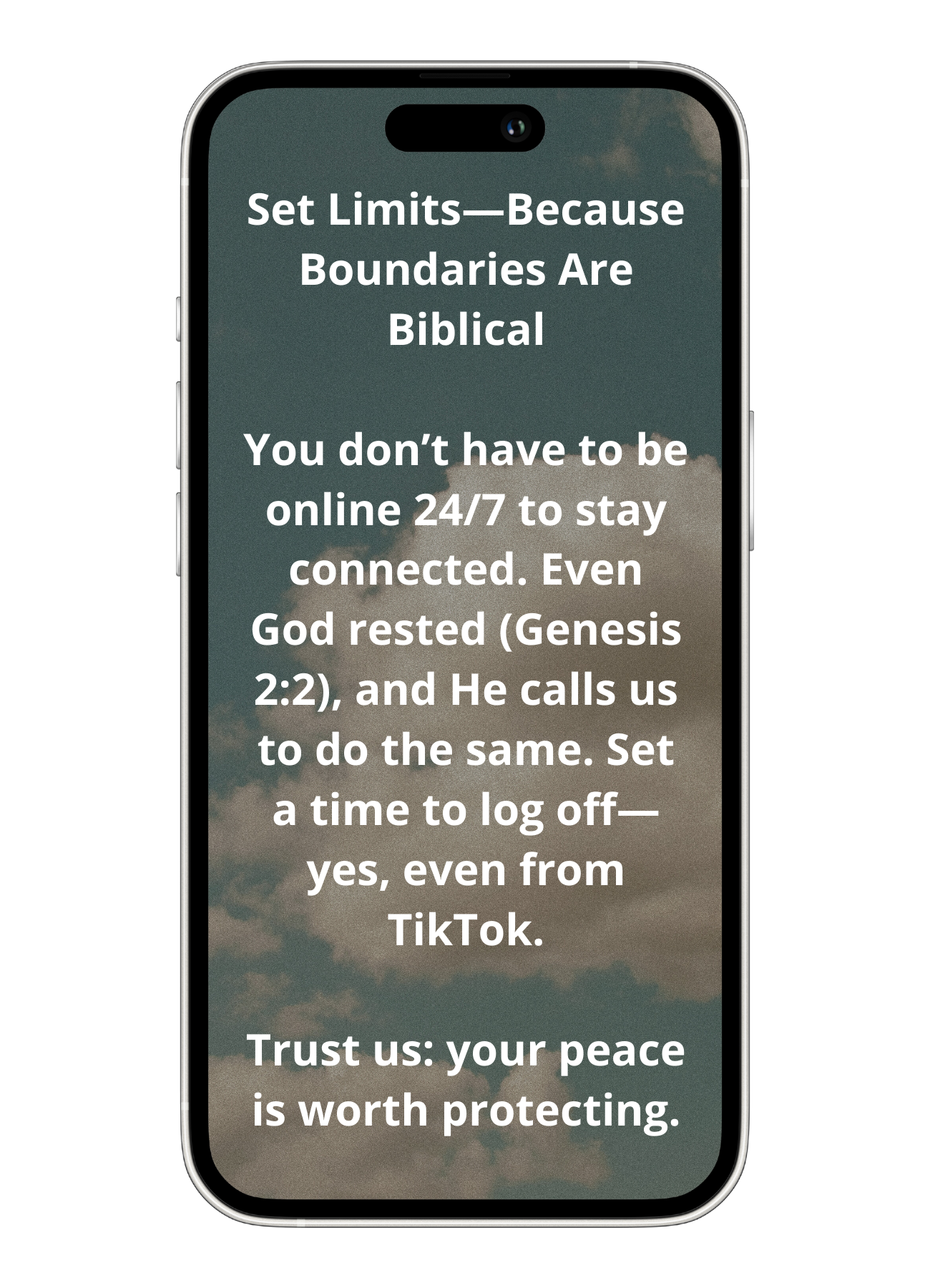
Let’s be honest—the internet isn’t going anywhere. You use it to learn, laugh, connect, and explore. That’s not a bad thing. But how you show up online matters just as much as how you show up in real life. And if you follow Jesus, you’re called to live differently. Not just in church. Not just around your friends. But everywhere—even in the group chat.
“Whether you eat or drink or whatever you do, do it all for the glory of God.” 1 Corinthians 10:31
So, what does your digital life say about who (and Whose) you are?


What Does God Say About Online Trust?
You are made in God’s image. Not to be used. Not to be tricked. Not to be tossed aside.
The thief comes only to steal and kill and destroy. (John 10:10)
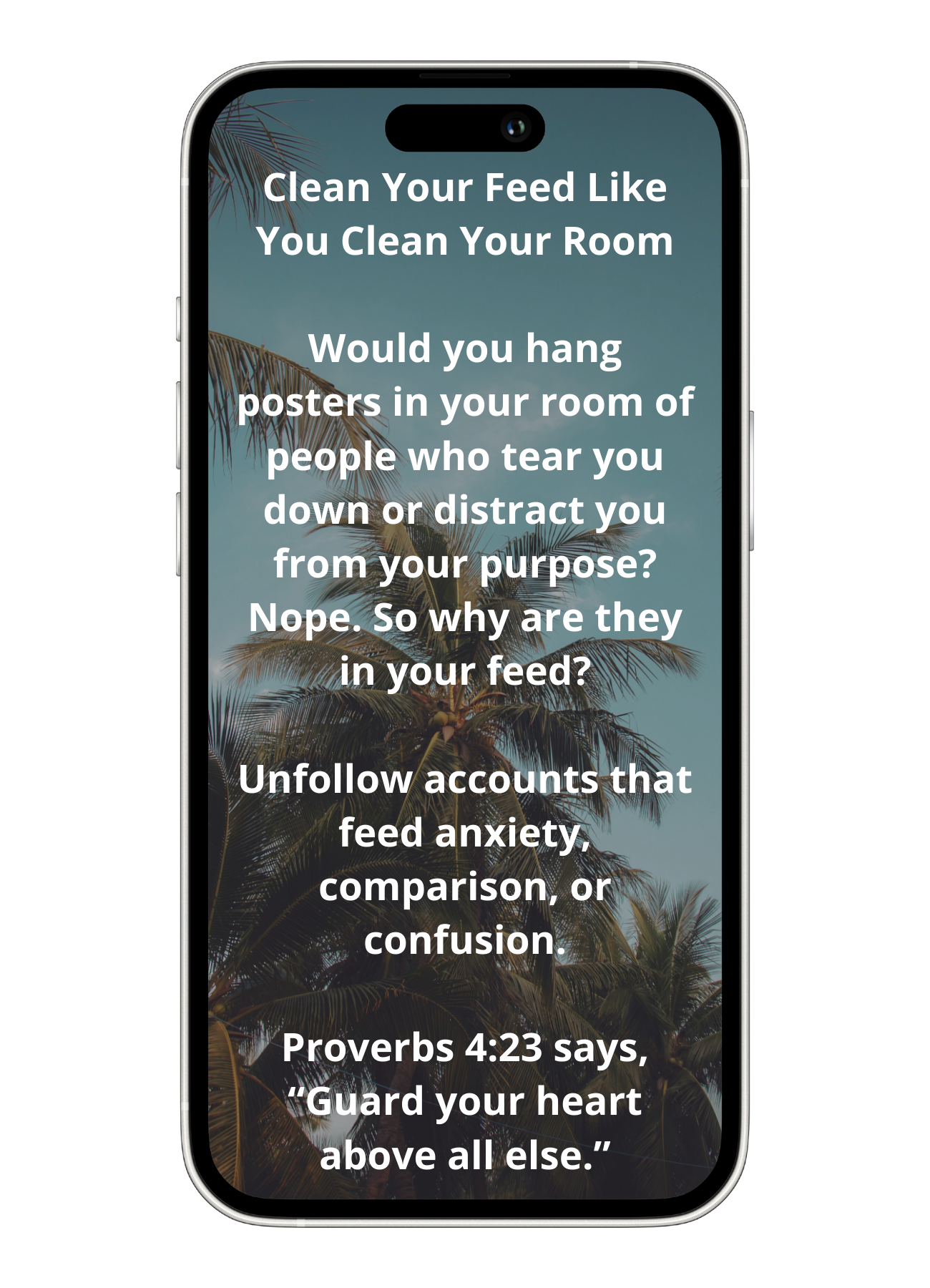
Guard your heart. (Proverbs 4:23)
Test every spirit. (1 John 4:1)
Groomers use your heart, your kindness, your curiosity… and twist it into a trap.
But God’s truth exposes their lies.