FAMILIAL TRAFFICKING

Protection starts at home.

The fastest-growing form of trafficking today is familial. It’s someone who has proximity such as: caregivers, teachers, coaches, and peers at school.

A victim can seem to function as a normal human while living at home. The predator uses the victim’s trust to silence them.

Familial trafficking is the fastest-growing form of child sexual exploitation.

It doesn’t look like abduction. It looks like:

  • Manipulation
  • Silence
  • Misplaced trust

And it often begins inside the home.

Did You Know?

25–50% of child trafficking cases in the U.S. involve a family member.
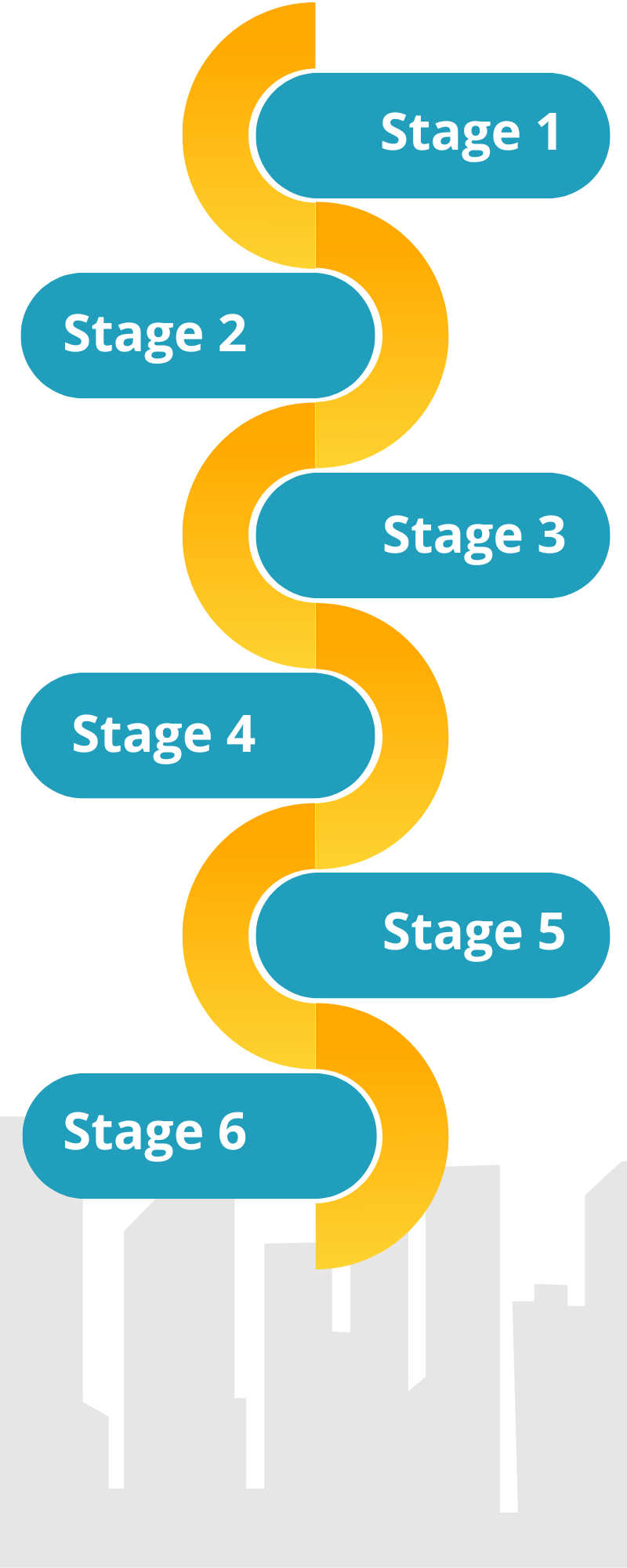
How Grooming Happens: Step By Step

They don’t start with force. They start with friendship.

Click on each arrow to see the step-by-step process.

8 Questions Every Parent Must Ask:

You can’t fight what you don’t see. These questions help you start looking.

How To Talk To Your Sons & Daughters:

Red Flags To Watch For:

Sudden behavior or mood changes

Secrecy, unexplained absences

Cash, phones, or gifts they shouldn’t have

Overly controlling adult relationships

Medical signs (STIs, bruises, untreated injuries)

Fear of authority, shutdown behavior

Who's Most At Risk?

1 %

OF TRAFFICKED YOUTH WERE IN FOSTER CARE

1 %

WERE PREVIOUSLY SEXUALLY ABUSED

1

IS THE AVERAGE AGE OF PORN EXPOSURE

MANY BELIEVE THEY “CHOSE” EXPLOITATION

What To Do If You See Something

You’re not just protecting your kids—you’re building a home they never need to escape from.

Stage 1:

Targeting the Child

“I noticed you always sit alone. You okay?”
Watch for: Emotional neediness, isolation, favoritism

Stage 3:

Filling A Need

“I saw that necklace and thought of you.”
Watch for: Unexplained gifts or attention

Stage 5:

Sexualizing The Relationship

“Have you ever done this? I can show you.”
Watch for: Sexual comments, exposure, language

Stage 6:

Maintaining Control

“If you tell anyone, we’ll both be in trouble.”Watch for: Fear, secrecy, emotional shutdown

Stage 4:

Isolating the Child

“Let’s keep this just between us.”
Watch for: Secrecy, one-on-one time

Stage 2:

Gaining Trust

“Your parents are lucky to have you.”
Watch for: Adults who over-involve themselves